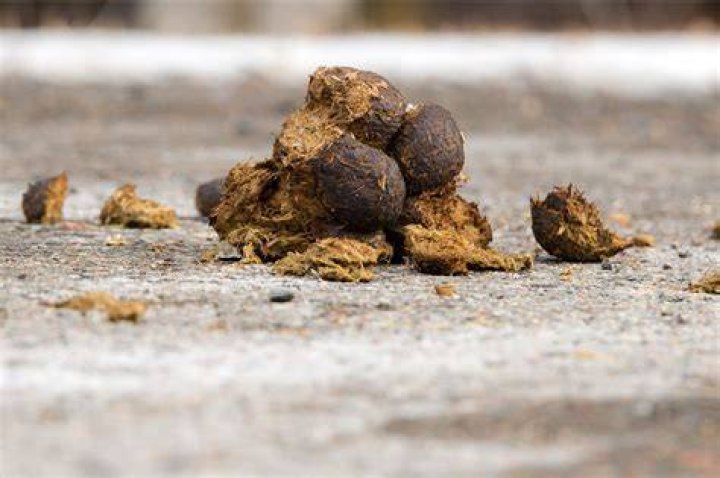
Do you have to pick up horse poo from a field?
When horses are grazing around piles of manure, they can easily ingest worms that end up in their digestive tracts. This is why it is imperative to poo pick your fields on a regular basis, therefore reducing the chance of your horse obtaining worms.
How do you manage horse manure in pasture?
To maximize pasture production, drag or harrow the pasture to break up the droppings and more evenly spread the manure. TIP: Many horse owners lack the equipment to load, handle, haul, and spread manure. Purchasing a tractor and manure spreader may be too expensive for your individual needs.
Is poo picking necessary?
Poo picking your horses pasture regularly not only helps in worm control prevention but it also has other advantages: By removing droppings you are reducing the amount of flies attracted to your horse/pasture and therefore reducing the chance of health issues brought on by flies and the irritation that they cause.
Should you roll horse paddocks?
When there is no risk of frost, paddocks can be rolled. This provides little benefit to the grass, but rolling does make the paddock look better, flattening out divots and ruts. You don't want to roll if the ground is too dry. April is the ideal time of year to reseed & repair paddocks.
Horse Pasture Clean Up and Care - Keeping the Poop Piles Down
How do you clean up horse poop?
You can also check with local garbage and shavings supply companies, as some offer services to pick up and haul manure for a fee. The typical way manure removal services operate is the company leaves a large bin near the barn in a convenient area where you can dump manure and stall waste each day.
How often should paddocks be cleaned?
Cleaning your pastures at least twice a week, just like picking up your paddocks, is one of the most effective ways to reduce the internal parasite burden on your horses.
How often should you drag your pasture?
Remember resting the pasture is key to vigorous forage regrowth. Dragging paddocks two to three times a year helps break up manure piles and kill parasites. Often, horses pick an area to defecate in and not graze. Dividing the pasture into smaller paddocks can help solve this problem.
How often should you rotate horse pastures?
Depending on each grower's situation, the rotation of use should be done on a four- to five-week schedule. The size of the pasture and the related stocking needs will deter-mine the rotational schedule in conjunction with weather conditions, nutrient practices, and the pasture quality.
Should you remove manure from pasture?
Ideally, manure should be removed from stalls daily. If allowed to accumulate in stalls, it can attract flies, harbor parasites and pathogens, increase the risk of thrush and other hoof-related problems, and generate offensive odors.
What do farmers do with horse poop?
There are several manure-management system options on the farm: on-pasture management, composting, stockpiling for use on personal property and stockpiling for removal. No single option will work in every situation, and most farmers will find a combination of these to be the most time- and resource-efficient.
Is it bad for horses to stand in manure?
Horses forced to stand in manure and urine, either in soaked bedding in stalls, or paddocks and sheds, risk damaged and weakened hoofs, and are more susceptible to abscesses and thrush.
Do you have to clean a horse pasture?
Cleaning your pastures at least twice a week, just like picking up your paddocks, is one of the most effective ways to reduce the internal parasite burden on your horses.
Should I harrow my horse pasture?
Horses will not graze in areas where manure is present. Manure piles can be scattered by harrowing or dragging, which helps the pasture by distributing the nutrients. It also reduces some parasite problems by exposing the parasites to sunlight.
How many hours a day should horses graze?
It is estimated that a horse spends about 10 to 17 hours each day grazing, and this is broken up into about 15 to 20 grazing periods.
When should you harrow a field?
Harrowing should be done when the conditions are becoming slightly warmer and from March onwards is ideal. The ground will become churned up if you harrow when it's too wet, while you may not be able to harrow effectively if the land is too dry.
How long should you rest a horse paddock?
Rotating the use of your paddocks to allow a period of rest for three to four weeks after heavy use will give the grass an opportunity to repair and rejuvenate.
Can horse poop make you sick?
Horse manure is biodegradable, natural and contains no petroleum or animal byproducts. Horse manure is an excellent fertilizer and can improve soil conditions. There are no known toxic effects on humans due to exposure to horse manure.
How often should you top a field?
Ideally, fields should be topped a minimum of once a year during the spring or summer, but not too frequently as this can damage the grass root system. Topping improves the pasture by encouraging the grass to establish a thick turf, encourages new leaf growth and decreases the opportunity for weeds to grow.
How do you maintain a horse field?
Spring Paddock Maintenance
- Analyse soil and buy a good paddock fertiliser to help boost grass growth.
- Harrow to remove dead grass and level off poaching areas to promote new grass growth for the spring and summer.
- Roll to repair damage caused during winter.
- Reseed areas were required such as gateways and fence lines.
How long after topping a field can horses graze?
Once over-seeding has taken place, pastures should have between six to eight months rest before grazing continues.
How many Poos should a horse do in 24 hours?
The average horse passes manure anywhere from 4 to 12+ times a day. Stallions and foals often defecate more frequently than mares and geldings; stallions often “scent mark” their territory, and foals need to pass more waste because of their liquid diet.
What is the fastest way to break down horse manure?
Add a heat source such as the summer sun. Add water to the manure with a hose, or in the rainy season, let nature take its course. Keep the manure moist until it composts to half its mass. Mix with a pitchfork every day, or at least every other day, to speed up the composting process.
How do you manage a horse muck heap?
Solution #1: Recycle it
- Build a composter. As a rule of thumb, an 8-by-8-foot square area surrounded by three 5-foot walls will accommodate one horse's waste. ...
- Start piling your horse manure in the composter. To accelerate decomposition, keep your compost pile about as damp as a wrung-out sponge. ...
- Aerate it.