smoke point
The smoke point, also referred to as the burning point, is the temperature at which an oil or fat begins to produce a continuous bluish smoke that becomes clearly visible, dependent upon specific and defined conditions.
› wiki › Smoke_point
Is olive oil good for cast iron pan?
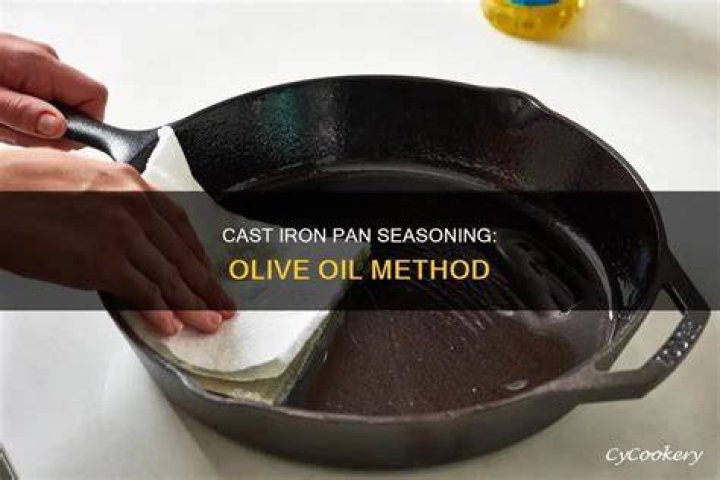
Do not use olive oil or butter to season your cast-iron pan — they're great to cook with, just not for initial seasoning. Place the pan upside down on the top rack of the oven and bake for 1 hour. Turn off the oven, leaving the pan in the oven to cool completely as the oven cools down.
What is the best oil to use on cast iron?
The best oil for seasoning cast iron is grapeseed oil because of its high smoke point and versatility. Similar options include peanut oil and vegetable oil. The oil you choose also depends on the heat you intend on using as well as which flavors you prefer.
Can you use extra virgin olive oil for cast iron?
Olive oil is another popular choice for seasoning cast iron because most people probably already have it in their pantry. However, extra virgin olive oil has a relatively low smoke point, so heating it to higher temperatures will cause it to break down and turn rancid.
Why is olive oil bad for seasoning cast iron?
Olive oil wears off cast iron faster than other oils
Olive oil might be a go-to for cooking, but it isn't so great for seasoning a cast iron skillet. This is due to its lower smoking point, which is between 325 and 375 degrees Fahrenheit, according to World of Pans.
Can you season cast iron with olive oil?
What oil has the highest smoke point?
Avocado Oil: Pressed from fresh avocado pulp, which is up to 25 percent fat, avocado oil has the highest smoke point of all plant-based cooking oils (510 to 520°F).
How often should you season cast iron?
Remember there's no need to use your best premium brand for seasoning! How often should I season my skillet? — To get the best out of your cast iron skillet, it's recommended that you oil it after each use. However, depending on how frequently you use it, 2-3 times a year is sufficient.
What is the best way to season cast iron?
How to season cast iron the right way
- Preheat your oven to 350°F.
- Wash your skillet with soap and water.
- Dry it completely.
- Coat it in oil or shortening.
- Place the skillet upside down on your oven's middle rack.
- Allow it to cool before removing it.
- Repeat the process up to three times.
Can you season cast iron with Pam?
Do not try to use nonstick sprays like Pam to season your cast iron skillet, as they contain other ingredients that aren't good for your pan.
Is it OK to use coconut oil on cast iron?
But can you use coconut oil to season cast iron? Yes! It's important to warm your pan before adding the coconut oil; 350 F ideally. If you're careful to make sure that your pan is seasoned well, this oil is also perfect for daily cast iron cooking.
Why are you not supposed to wash a cast iron skillet?
"You can't clean cast-iron the same way you clean stainless steel," kitchen expert and author of "Kitchen Matters," Pamela Salzman says. "It's very porous," Rach adds. "That flavor will stay in there and literally bake into the pan."
Why does my cast iron rust?
Rust. The Cause: Rust forms when the cookware is exposed to moisture for extended periods of time and is not harmful in any way. If cast iron is left in the sink to soak, put in the dishwasher, or allowed to air dry, it will rust.
Are cast iron pans non-stick?
Cast iron is a natural non-stick surface and if your pan is seasoned correctly it WILL NOT stick! Always preheat your cast iron frying pans before frying in them. Water droplets should sizzle, then roll and hop around the pan, when dropped onto the heated surface.
Can I leave oil in cast iron pan?
It's not a good idea to leave cooking oil in your cast iron skillet or Dutch oven. The oil can go rancid if exposed to the elements for an extended period of time, and you will have to throw it away. When cooking oil becomes rancid, it reacts with the elements and bacteria in its environment.
Can I use olive oil to season a non-stick pan?
Olive oil shouldn't be used for seasoning your non-stick pan, even if some manufacturers approve of this oil for seasoning. The reason for this is that olive oil has a relatively low smoke point, meaning the oil will start to break down at medium to high temperatures and start to smoke.
How can you tell if cast iron is seasoned?
An easy way to test a skillet's seasoning is to fry an egg (heat 1 tablespoon vegetable oil in skillet over medium heat for 3 minutes, then add egg). If your pan is well-seasoned, you should not experience any major sticking.
At what temperature should I season cast iron?
Place the cookware in the oven upside down. Place a large baking sheet or aluminum foil on the bottom rack. Bake at 450-500 degrees F for one hour. Allow to cool.
Can you use soap on cast iron?
Contrary to popular belief, you can use a small amount of soap to clean cast iron cookware! Large amounts of soap can strip the seasoning off your pan, but you can easily re-season your pan as needed.
Can you ruin a cast iron pan?
Famously durable, these pans are often passed down through generations. With proper reseasoning care, years of frequent use can actually improve the pan's “seasoning”—its natural nonstick coating. But sadly, cast iron skillets can indeed break.
Is it OK to season cast iron with bacon grease?
Cast iron cookware retains heat well and cooks food evenly if cared for properly. Part of caring for your cast iron skillet is seasoning it to keep the surface smooth and to give it a non-stick sheen. Although you can use oil or shortening to season your cast iron skillet, bacon grease works just as well.
Why is my cast iron sticky after seasoning?
While oil is essential to the seasoning process, if you apply too much oil when you are seasoning or when you are cooking, this can create a sticky surface. It's a fine art, and it can take patience and experience to really learn how to clean a sticky iron!
Is cast iron better than Teflon?
So if you want to cook something with a high level of heat, cast iron is the better choice. The other reason why cast iron is a better choice for high heat is due to a problem with Teflon. Non-stick pans have a serious problem when you heat them above 500°F (260°C).
Does olive oil become toxic when heated?
When the oil is heated ahead of its smoke point, it gives off toxic smoke. As olive oil has a low smoking point, cooking with it increases the risk of creating smoke that includes compounds which are harmful to your health. You may not even realise that you are breathing in the toxic fumes.