Do air purifiers cause problems?
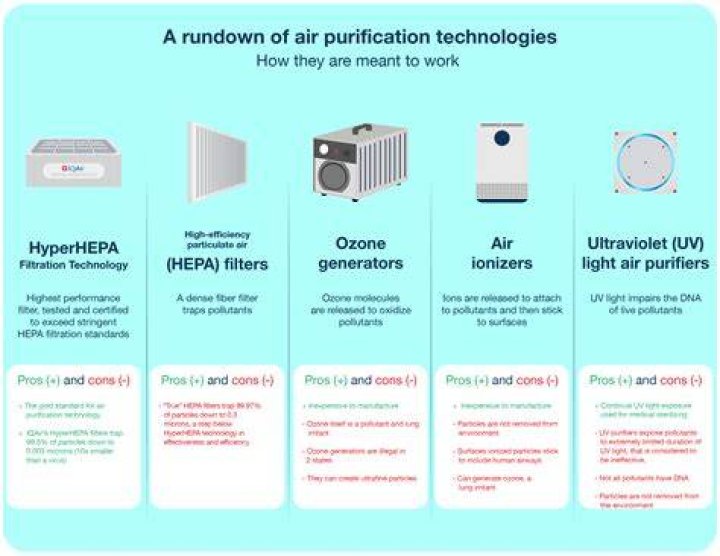
Specific effects may include throat irritation, coughing, chest pain and shortness of breath, as well as an increased risk of respiratory infections. Some ozone air purifiers are made with an ion generator, sometimes called an ionizer, in the same unit.
Do air purifiers do more harm than good?
Toronto, Ontario A new study has found that air purifiers used in elevators and other confined spaces may actually do more harm than good in limiting the spread of COVID-19.
Can a air purifier make you sick?
What is this? Air purifiers can't make you sick because they work to clean the air. Air purifiers don't cause a sore throat. Some ionic air purifiers may cause throat irritation in people with respiratory conditions, but it doesn't cause you to cough.
What are the disadvantages of air purifier?
The disadvantages of air purifiers are:
- You need to have the windows closed.
- Regular maintenance is required.
- Old filters worsen air quality.
- An air purifier needs free space around it.
- Air purifiers are not entirely quiet.
- Some air purifiers produce ozone.
- It does not solve all indoor air quality problems.
Everything an Air Purifier Can and Can't Do
Should you sleep next to air purifier?
Air purifiers have a positive impact on our lives, so some may ask if that impact extends to sleep. Air pollution does not stop when we sleep, so the simple answer is yes, if you want the full benefits of your air purifier it should be running in your bedroom when you sleep.
Where is the best place to put an air purifier?
The best place to put an air purifier is somewhere in your breathing zone. The closer the unit is to your head, the shorter distance clean air has to travel before it reaches you. In the bedroom, this usually translates to putting the air purifier on a nightstand or small table close to the bed.
Can an air purifier make you feel dizzy?
Over a prolonged period of time inhaling these indoor air pollutants, the human body can start showing signs of problems such as headaches, fatigue, dizziness, irritations and sensations of nausea. In some cases, problems caused by these toxins will also include symptoms related to asthma.
Do air purifiers dry out sinuses?
The short answer is that no, under normal circumstances a HEPA air purifier cannot dry out your sinuses. However, if one is used too much, or incorrectly placed, it could indirectly cause problems.
Are air purifiers good for your lungs?
Many of the potential benefits of using an air purifier are related to your lungs, particularly for conditions such as asthma. “By filtering out fine particles, purifiers help clean the air you breathe and lessen the potential negative effects of pollution,” says Dr. Taliercio.
Do air purifiers reduce oxygen?
Air purifiers are designed to clean your indoor air so you and your family can breathe healthily. Some purifiers do also take up oxygen from the air, however, this does not actually reduce the levels of oxygen you breathe. Air purifiers do not reduce the amount of oxygen in the air.
How long should I turn on air purifier?
Yes. Air purifiers are generally designed to be run all the time if you prefer to. You can put the purifier on its lowest setting to diminish noise and let it run throughout the day. This 24/7 approach will use more a bit more power, and you may need to clean or replace air filters more frequently.
How often should you use an air purifier?
Short Answer. The best way to maximize your air purifier is to run it 24 hours a day, so your air is constantly being recycled and purified.
Can air purifiers make asthma worse?
Some air purifiers produce a type of gas called ozone. Be sure to avoid these products. The ozone can irritate your lungs and make your asthma worse. In addition, this type of purifier only sanitizes the air and doesn't remove particles from it.
Are air purifiers good for Covid?
Portable air cleaners and HVAC filters can reduce indoor air pollutants, including viruses, that are airborne. By themselves, portable air cleaners and HVAC filters are not enough to protect people from the virus that causes COVID-19.
Can an ionizer give you a headache?
Besides inducing migraines, side effects of ozone ionizer air purifier side effects include new or worsening respiratory illness or asthma, which can cause symptoms of shortness of breath or chest pain/tightness.
How long does it take for an air purifier to clean a room?
You can expect an air purifier to purify most of the air in a room within the first 45 minutes to 3 hours. Just how quickly it can clean the air depends on many factors like the selected power setting, filters, and ACH (rate of air changes per hour) of the air purifier.
Do air purifiers help with phlegm?
The use of an air purifier for cough combined with a humidifier can help reduce the allergens or germs which may be causing the cough, as well as adding moisture to the air to assist in loosening any throat-irritating phlegm which may potentially be the cause the cough.
Do air purifiers cause dryness?
An air purifier does not dry or remove moisture from the air. However, it can make the air feel drier. Especially when your air purifier is running too fast, or is too big for your room. Air purifiers are often used more in the winter as a replacement for ventilation.
Can an air purifier make your mouth dry?
Just because your air purifier doesn't remove moisture from the air doesn't mean that your home air is moist enough. Dry air can cause nasal irritation, chapped lips and dry mouth while you're sleeping.
Should air purifiers run all the time?
Since air pollution is a pervasive and continuous problem, it's best to leave your air purifier on all day. There are no perceived drawbacks to keeping your unit running all the time, and if the filters are changed on time it can help to reduce pollutants in the home.
Can I use air purifier with window open?
An air purifier can “work” with the windows open, but it can't work nearly as well as it would with the room sealed. One significant problem is that contaminants like allergens are re-introduced into the room's air. It will take much more additional time to complete the purification process.
How do you know if air purifier is working?
A simple way to test that your purifier is working is by checking the airflow out of your purifier. Air purifiers have a fan that draws in air from inside the room. As the purifier filters out harmful pollutants from your air, the purifier will blow out clean air.
Can I leave my air purifier on 24 7?
Yes, you should run your air purifier 24/7 and you shouldn't turn it off anytime. In fact it's recommended to not switch off your air purifier at any time of the day or night, even when you're sleeping or not at home.