Can you realign your bite?
To help correct jaw misalignment, your dental professional may recommend: Braces (adjusting your bite through pressure over time in the form of brackets bonded to your teeth and attached to archwires)
Can an uneven bite Be Fixed?
Is it possible to fix it? YES, it is certainly possible to correct an uneven bite! An uneven bite can cause pain and discomfort, and may impact your physical appearance, so it is important to get the care you need as soon as possible.
How do you fix a misalignment bite?
Bite correction treatments for dental overbites and underbites
- Braces. Braces are used to correct overbites in both adults and children. ...
- Tooth removal. ...
- Replacement of the rear teeth. ...
- Veneers. ...
- Treatments for skeletal malocclusion and jaw misalignment. ...
- Headgear braces. ...
- Upper jaw expanders. ...
- Jaw surgery.
What causes bite misalignment?
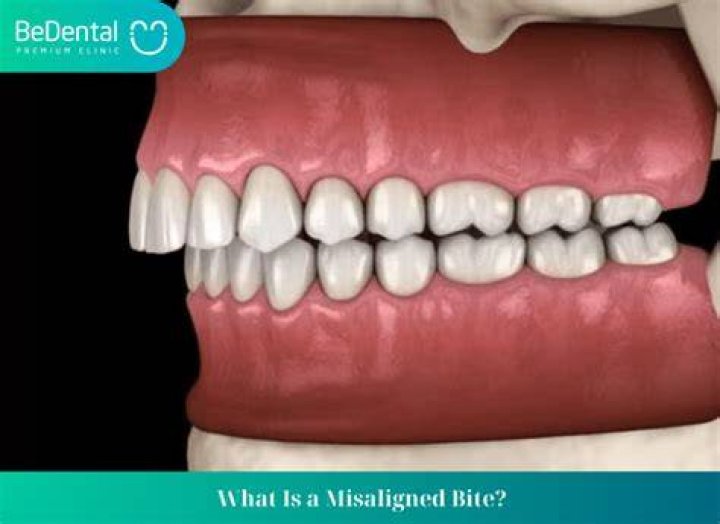
Malocclusion is most often hereditary. This means it is passed down through families. It may be caused by a difference between the size of the upper and lower jaws or between the jaw and tooth size. It causes tooth overcrowding or abnormal bite patterns.
Misaligned Jaw Alignment and Bite Correction Without Surgery, Braces, or Aligners
How do you know if your bite is out of alignment?
You shouldn't be experiencing any pain in your bite, if you do have some pain in your jawbone or in the muscles around your jaw, this can be an indicator of a misaligned bite. If your teeth are aligned with each other and symmetrical on the upper and lower jaw line, this is a good sign that your bite is healthy.
Can your bite shift back?
Yes, your teeth can shift back after braces and yes teeth moving after braces are quite normal. Even though we see it with some of our patients, it's important that you work on eliminating the possibility of teeth moves once your braces are off.
How do dentists correct your bite?
Dental bite adjustments that can fix a bad bite caused by malocclusion starts with a visit to an orthodontist who may prescribe orthodontic braces, retainers or palatial expanders to straighten and reposition teeth.
How long does it take for a bite adjustment to settle?
Your dentist will adjust your bite on that tooth and symptoms should resolve. Your dentist will use marking paper to identify which area to adjust. Depending on how long you were going around with this filling being high, it takes about 10-14 days for full resolution of symptoms.
How much does a bite adjustment cost?
Minor reshaping of one tooth can range from $50 to $300. The cost of occlusal equilibration, which involves reshaping multiple teeth and balancing your bite, can range from $650 to $1,500, which should also include follow-up care. Talk to a dentist if you're concerned about the cost.
What happens if you have an uneven bite?
An uneven bite can cause the muscles in your jaw to become strained during normal activities like chewing or even talking. In some cases, this unevenness can cause tempomandibular joint disorder, or TMJ disorder.
How can I fix my misaligned jaw naturally?
Home remedies may include:
- applying an ice pack or moist heat to the jaw.
- taking nonsteroidal anti-inflammatory drugs (NSAIDs) such as ibuprofen (Advil) and aspirin, antidepressants, or muscle relaxants.
- eating soft foods.
- wearing a night guard or splint.
- performing TMJ-specific exercises.
Can a dentist tell if your bite is off?
Signs Your Dentist May Notice
While some patients have severe overbites or underbites, others are less easy to tell. Your dentist, however, can usually spot these smiles and take Dental x-rays to determine how off the bite actually is. Your dentist will also be able to tell if your teeth aren't evenly wearing.
How does a dentist adjust your bite after a filling?
Types of Bite Adjustment Procedures
For a filling or crown that is too high, your dentist can simply readjust the original work. Sometimes just after getting a filling/crown, when the dentist asks you to bite down and tell him if your bite feels normal, it is hard to tell due to the numbness from a local anesthetic.
How long will pain last after bite adjustment?
However, the dentist can quickly and easily adjust the height of the filling to relieve the pressure. Within a day or so, the pain should go away. Inflamed nerve.
Why does my bite feel uneven?
Causes of an Uneven Bite
Misaligned teeth. Overbite or underbite. Trauma or accidental injury. Missing teeth.
Can wearing a retainer move teeth back?
As we discussed before, retainers can't move teeth back into place. Your old retainer will not work the same way as Invisalign as they are designed to keep teeth in place, not to move them.
Should teeth be touching at rest?
You may not have realized this, but teeth are not meant to touch. It sounds odd, but think about it. They don't touch while you speak, smile or rest. Even when you chew, your teeth only have to be close enough to mash food, not necessarily touch.
Can a chiropractor realign your jaw?
Can a chiropractor adjust your jaw and fix a misaligned jaw? Yes, absolutely! Oftentimes, when somebody has a misaligned jaw, they turn to their dentist or a medical doctor. These approaches can lead to expensive modalities or even risky invasive surgeries.
Can you correct uneven jaw without surgery?
TMJ issues can cause facial asymmetry with or without pain. Most often these issues for uneven jaws can be treated non-surgically. However, many orthodontist and Oral Surgeons may tell you the only way to fix this is to do orthognathic surgery.
Do braces fix misaligned jaw?
Improves the Alignment of the Jaw
Braces can correct misalignment of both the teeth and jaw, bringing the jaw back into a more favorable position. Not only is this beneficial to the look of your face, but it can also help in improving problems related to overbites and underbites.
Is it worth fixing an overbite?
In reality, having crooked teeth or a misaligned bite can have lasting effects on your overall oral health. So, what if you have an overbite? Fixing your overbite, or any kind of malocclusion for that matter, will not only beautify your smile, but it will also prevent dental problems in the future!
Do overbites get worse with age?
Do overbites get worse with age? The space between the upper and lower front teeth can increase over time, worsening the overbite. In addition to this, the long-term effects of a deep overbite will cause more problems over time, meaning additional restorative treatment may be required.
How do adults fix an overbite?
Overbite Correction for Adults
- Braces – braces help move just the teeth that cause the overbite.
- Invisalign Clear Aligners – similar to braces, Invsialign clear aligners can move teeth to correct an overbite.
- Surgery– if you have a skeletal type overbite and jaw problems, surgery is the solution.
What happens if you don't fix your overbite?
“If left untreated, a severe overbite can cause irreparable tissue damage and possibly early loss of the upper incisors and concurrent excessive wearing of the lower incisors,” Brian Luong, DMD, MBA, MS, an orthodontist at The Hills Orthodontics, tells WebMD Connect to Care.